
Singapore Polytechnic’s innovative spray-applied solution delivers 8.85% cooling energy savings whilst maintaining natural light
The Glass Dilemma in Green Buildings
Glass skyscrapers now dominate Singapore’s city skyline, offering aesthetic appeal and natural light, but glass itself is a poor insulator that allows excessive solar heat gain into buildings. This thermal inefficiency leads to increased cooling energy demand and overheating in interior spaces. In the pursuit of a sustainable built environment, engineers must find solutions that maintain comfortable indoor temperatures whilst minimising energy consumption.
SP’s Heat Rejection Coating
Singapore Polytechnic’s Advanced Material Technology Centre (AMTC) has developed an innovative solar heat rejection coating designed for spray application on window glass. Applied at a thickness of 40-50 microns, this advanced coating technology blocks up to 99.8% of infrared radiation whilst maintaining more than 60% visible light transmission.
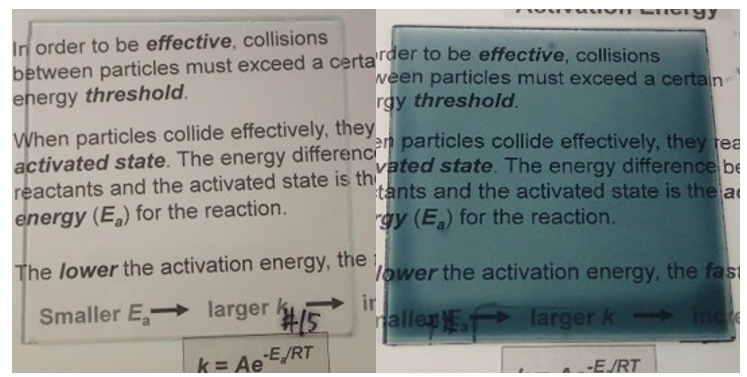
Window glass coated with SP’s solar heat rejection coating was tested as a system according to ISO 9050 (Glass in building — Determination of luminous and solar characteristics of glazing). The Solar Heat Gain Coefficient (SHGC) improved by 56%, demonstrating significant enhancement in the thermal performance and efficiency of the glazing system.
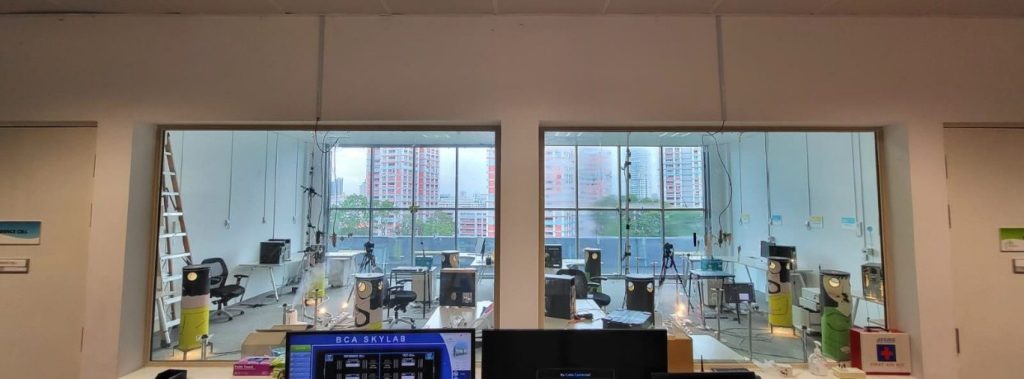
Real-world performance validation conducted at BCA SkyLab demonstrates the coating’s effectiveness in operational conditions. This successful deployment demonstrates a Technology Readiness Level (TRL) of 7, confirming the technology’s readiness for commercial application. Testing results show average cooling load savings of 8.85%, whilst the coating also enhanced indoor environmental quality by reducing daylight glare probability by 33%, creating more comfortable spaces whilst preserving natural daylight.
Key Advantages Over Conventional Films
SP’s Solar Heat Rejection Coating addresses critical limitations of traditional solar control films through superior durability and application flexibility. Unlike conventional films that rely on adhesive bonding, this coating forms a continuous layer directly bonded to the glass surface without exposed edges. This eliminates common failure points where traditional films experience peeling and delamination over time, particularly when moisture penetrates during routine window cleaning. The result is enhanced longevity with significantly reduced maintenance requirements.
The coating’s spray application method provides exceptional versatility compared to conventional film installation. Where traditional films present challenges on curved glass surfaces, complex architectural geometries, and high or inaccessible building facades, SP’s coating can be readily applied to cover intricate shapes and extensive glazed areas. This flexibility makes it particularly suitable for diverse architectural applications requiring reliable solar heat rejection performance.
Sustainability Impact
This innovative solar heat rejection coating offers significant environmental benefits by enabling building owners to upgrade existing windows rather than undertake costly and resource-intensive full replacements. Real-world performance testing conducted by BCA SkyLab has demonstrated an 8.85% reduction in cooling energy consumption compared to control conditions, delivering measurable improvements in building energy efficiency.
By retrofitting current glazing systems, the technology simultaneously reduces carbon emissions whilst extending the lifespan of existing building infrastructure. This approach supports Singapore’s sustainability goals by providing a practical, cost-effective solution that enhances energy performance without the environmental impact of complete window replacement.
Article contributed by Singapore Polytechnic, Advanced Materials Technology Centre (AMTC)