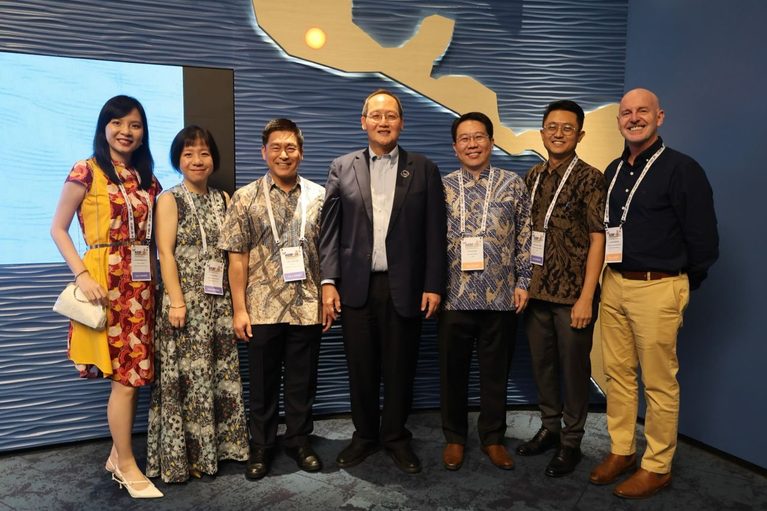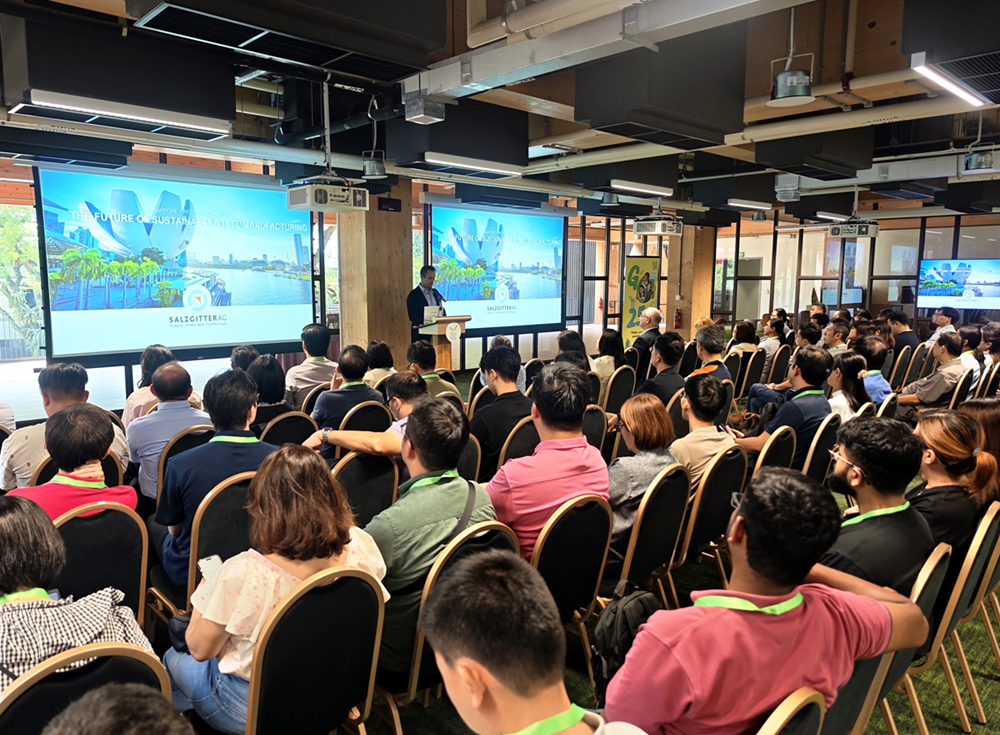
On 14 August 2026, the Singapore Green Building Council (SGBC), supported by SGBC Member Ilsenburger Grobblech GmbH, successfully convened a SGBC Seminar focused on one of the most pressing challenges in the built environment: decarbonising structural steel.
The event brought together industry experts to explore the evolving landscape of low-carbon steel production, from heavy plates and structural sections to tubular solutions. We extend our sincere thanks to our speakers and attendees for a rich exchange of knowledge.
Here are the key takeaways from the sessions:
➡️ 𝐓𝐡𝐞 𝐅𝐮𝐭𝐮𝐫𝐞 𝐨𝐟 𝐒𝐮𝐬𝐭𝐚𝐢𝐧𝐚𝐛𝐥𝐞 𝐒𝐭𝐞𝐞𝐥 𝐌𝐚𝐧𝐮𝐟𝐚𝐜𝐭𝐮𝐫𝐢𝐧𝐠 – Mr. Thorsten Gintaut set the stage by discussing the strategic vision driving the market adoption of low-carbon steel initiatives, including the SALCOS® transformation programme.
➡️ 𝐔𝐧𝐝𝐞𝐫𝐬𝐭𝐚𝐧𝐝𝐢𝐧𝐠 𝐆𝐫𝐞𝐞𝐧 𝐒𝐭𝐞𝐞𝐥 𝐟𝐨𝐫 𝐇𝐞𝐚𝐯𝐲 𝐏𝐥𝐚𝐭𝐞𝐬 – Mr. Oliver Laubner provided practical insights into current steelmaking pathways, lower-emission feedstock, and the crucial role of mass balance methodologies in project procurement.
➡️ 𝐄𝐧𝐚𝐛𝐥𝐢𝐧𝐠 𝐋𝐨𝐰-𝐂𝐚𝐫𝐛𝐨𝐧, 𝐂𝐢𝐫𝐜𝐮𝐥𝐚𝐫 𝐂𝐨𝐧𝐬𝐭𝐫𝐮𝐜𝐭𝐢𝐨𝐧 – Ms. Sandra Unterschwaiger explored how structural steel sections can contribute to circular construction through efficient design, reduced material consumption, and end-of-life recycling, illustrated by international case studies.
➡️ 𝐄𝐱𝐩𝐥𝐨𝐫𝐢𝐧𝐠 𝐒𝐭𝐞𝐞𝐥 𝐏𝐢𝐩𝐞 𝐒𝐨𝐥𝐮𝐭𝐢𝐨𝐧𝐬 – Mr. Alexander Soboll shared technical and logistical considerations for large-scale infrastructure projects, highlighting the importance of integrated planning for project reliability.
➡️ 𝐀𝐒𝐄𝐀𝐍 𝐒𝐭𝐞𝐞𝐥 𝐚𝐭 𝐭𝐡𝐞 𝐂𝐫𝐨𝐬𝐬𝐫𝐨𝐚𝐝𝐬 – Dr. Xu Haoxin and Mr. See Zheng Hao from SGBC Member Ramboll presented new research on the ASEAN steel sector’s carbon intensity and market readiness. Their survey revealed a critical gap: while most expect low-emission steel to be standard within a decade, near-term willingness to pay a premium is hindered by cost concerns, knowledge gaps, and limited credible data.
A key theme was the urgent need to bridge the gap between long-term decarbonisation goals and near-term market readiness. The transition will require robust policy signals, credible Environmental Product Declarations (EPDs), and a collective effort from the entire value chain to accelerate the adoption of sustainable steel solutions.