
Sustainable Concrete Incorporating Mixed Tyre Fibre Waste
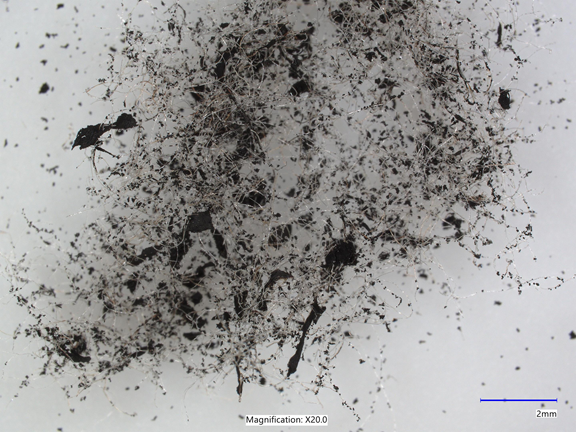
Every year, approximately 26 million tonnes of tyres reach end-of-life globally, creating a significant environmental and waste management challenge. Despite ongoing recycling efforts, a substantial proportion of these tyres continues to be landfilled, stockpiled, or incinerated. Meanwhile, the construction sector’s demand for sustainable materials has grown steadily, driven by rapid urbanisation and there is an […]
Solar Heat Rejection Coating Transforms Glass Performance
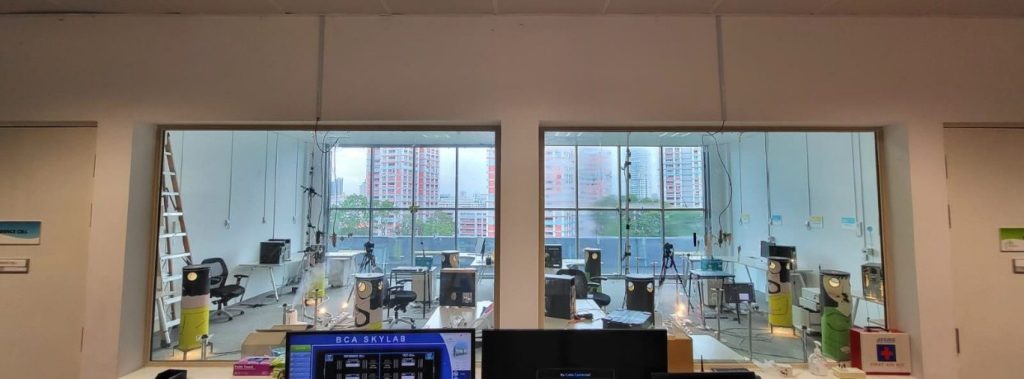
Singapore Polytechnic’s innovative spray-applied solution delivers 8.85% cooling energy savings whilst maintaining natural light The Glass Dilemma in Green BuildingsGlass skyscrapers now dominate Singapore’s city skyline, offering aesthetic appeal and natural light, but glass itself is a poor insulator that allows excessive solar heat gain into buildings. This thermal inefficiency leads to increased cooling energy […]
Alternative Cooling Technologies – Accelerating the Transition towards a Low-carbon Built Environment
Singapore’s path to net-zero runs through our buildings, and cooling, which consumes 40-60 percent of building energy, is the single biggest lever we can pull. The Built Environment Decarbonisation Technology Roadmap published earlier this year identifies nearly 70 technologies. Among them, ACTs (Alternative Cooling Technologies) are highlighted as a key strategy for operational carbon reduction. […]
[CNA Commentary] How do we escape the air-conditioning trap?
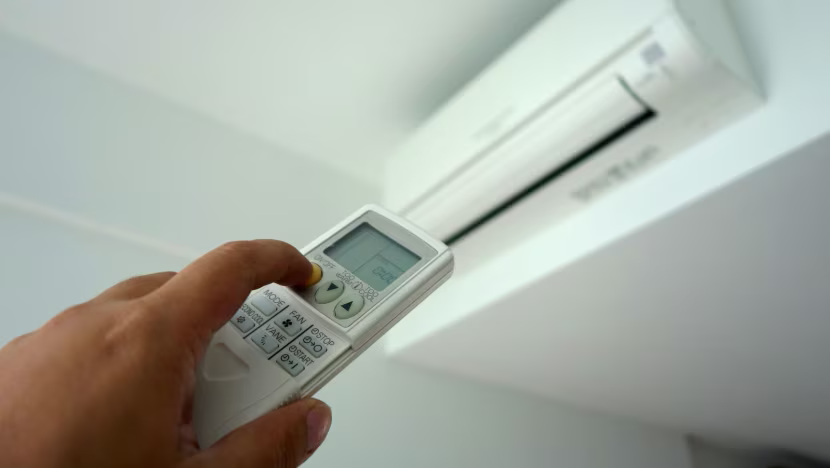
This article was first published on the CNA website on 10 March 2026. The “air-conditioning trap” is real: as our cities get hotter, we use more AC, which pumps more heat into our environment, making cities even hotter. In his commentary piece on CNA, Prof. Khoo Teng Chye, Practice Professor with the College of Designand […]
Humidity Control: The Missing Piece of Sustainable Cooling
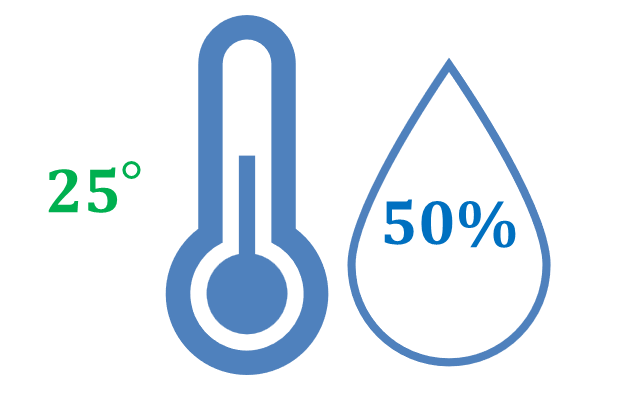
Singapore’s Go 25 movement encourages indoor air-conditioning setpoints of aorund 25°C to reduce energy consumption and advance net-zero targets. Yet in a tropical climate, temperature alone cannot deliver comfort, health, or energy efficiency if the air remains humid. Humidity control, specifically maintaining a lower dew point and approximately 50% relative humidity (RH). This is the […]
Cool Stories from Cool Leaders
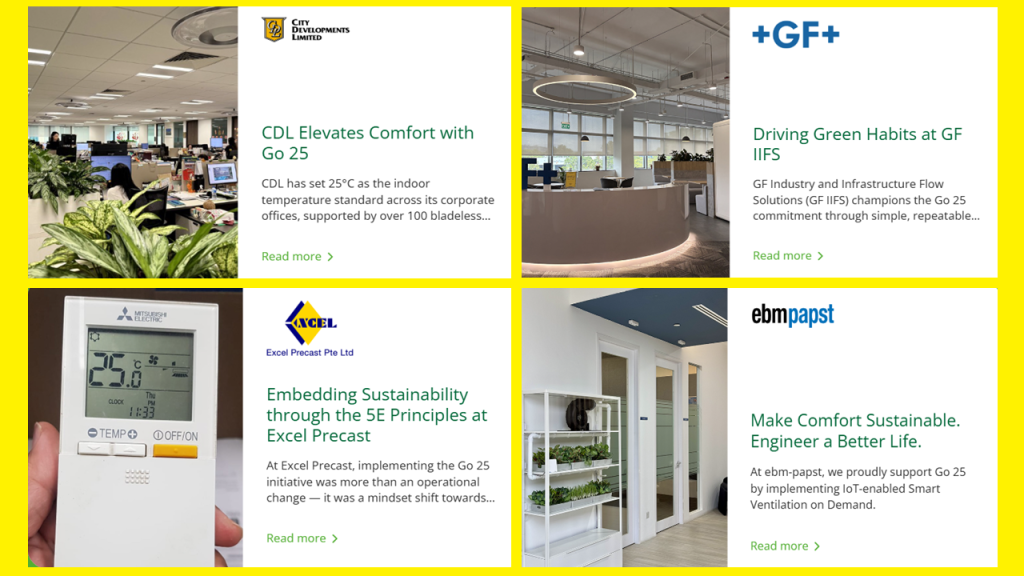
Hear from the organisations who have embraced Go 25 and seen the benefits. From happier tenants to reduced energy use, their stories show what is possible when comfort and sustainability meet. Click here to read more.
It is time to Rethink Carbon
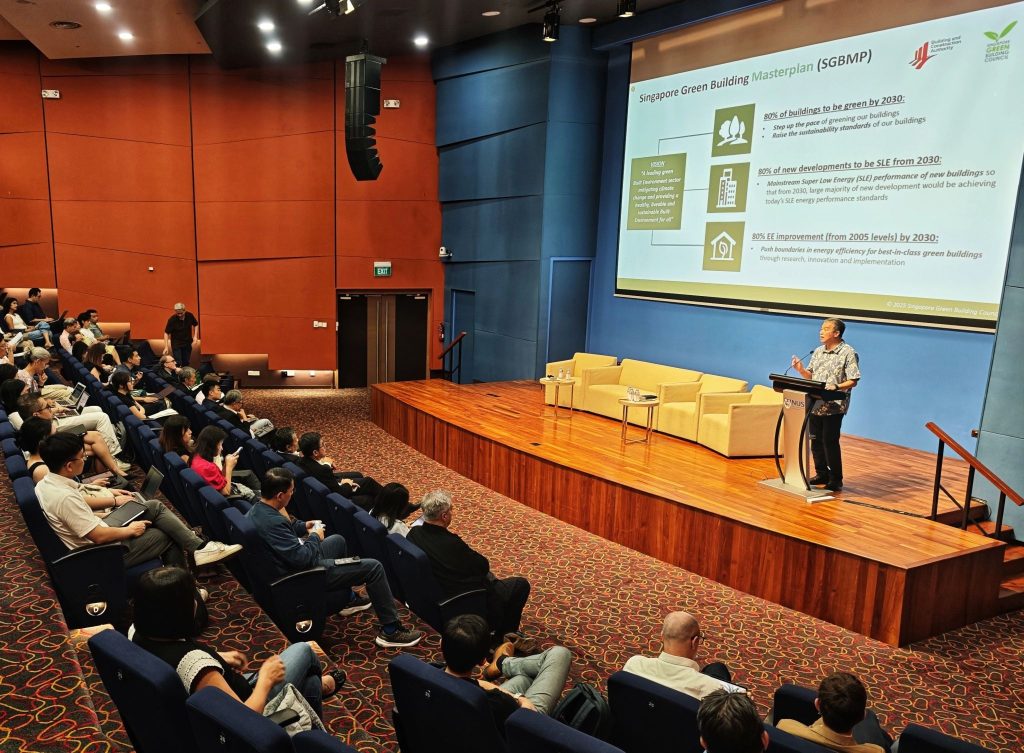
For years, the green building conversation centred on energy efficiency. But the climate crisis demands a new focus: full-spectrum carbon accountability. As SGBC President Mr. Allen Ang highlighted at the Rethink Carbon event organised by the Institute of Real Estate and Urban Studies (IREUS) on 31 October 2025, embodied carbon – the emissions from manufacturing, […]
Go 25: ACE your Sustainable Cooling Strategy
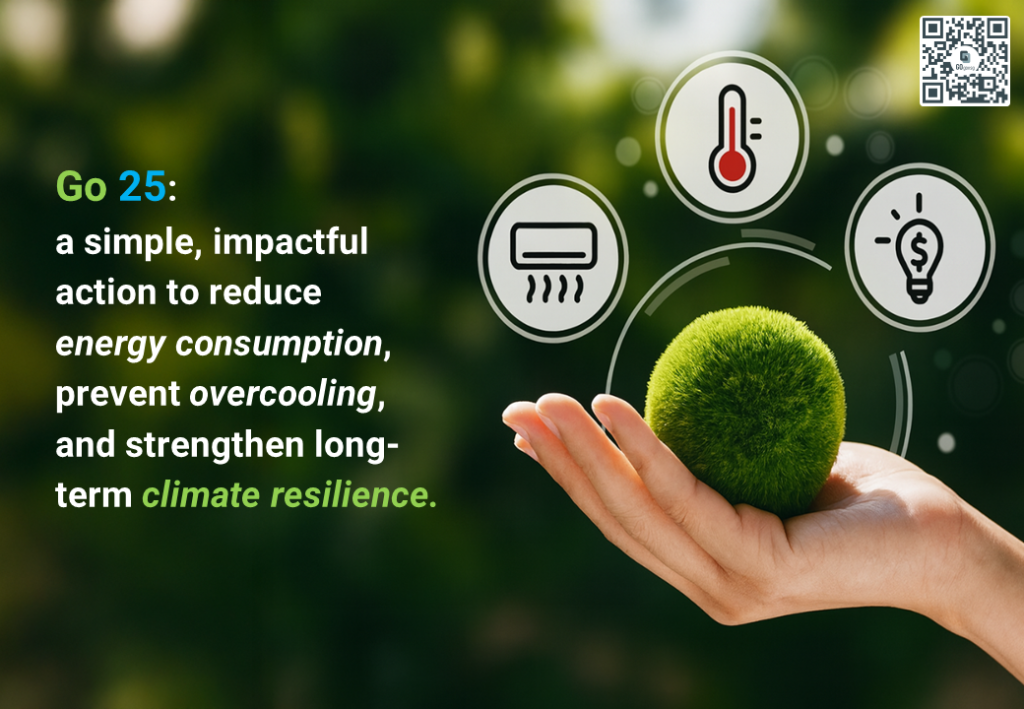
As we work towards a cleaner and greener Singapore, addressing energy efficiency is just as crucial as enhancing our food security or effectively managing waste. Overcooling in offices and buildings represents a significant drain on our energy resources. To date, more than 140 private sector organisations have joined all public sector entities to Go 25. All […]
From Roadmap to Reality: Scaling Energy Efficiency through Technology, Collaboration and Finance
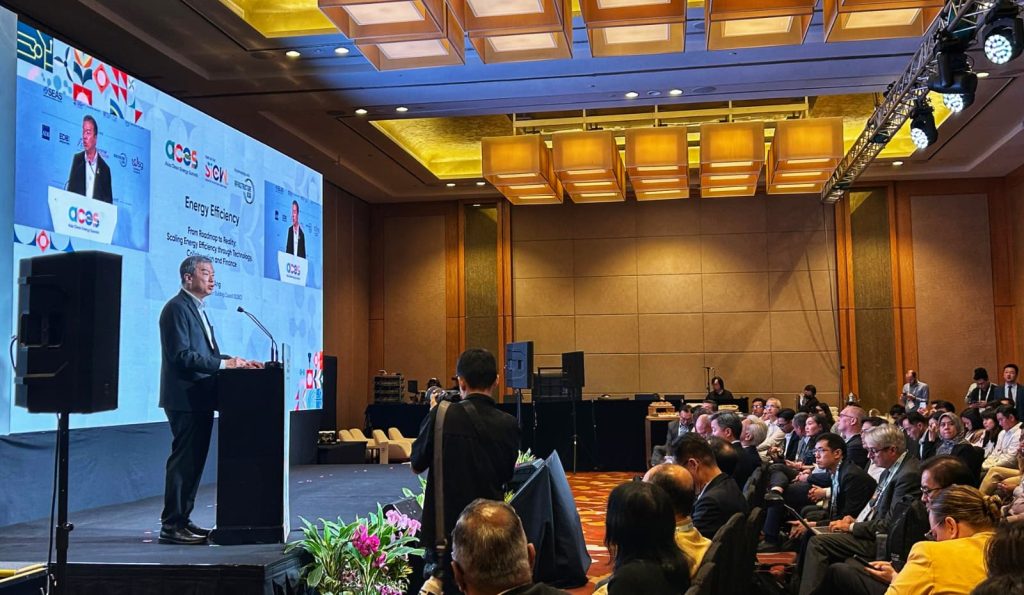
“The cleanest energy is the energy we do not use.” This was made clear during the keynote address delivered by SGBC President Mr. Allen Ang at the Asia Clean Energy Summit 2025 held at the Marina Bay Sands on 29 October 2025. As we accelerate the clean energy transition, energy efficiency remains our “first fuel”: […]
Celebrating Twenty Years of Green Building Excellence
On 11 July 2025, the built environment sector celebrated the 20th anniversary of the BCA Green Mark scheme at the SGBC Gala Dinner 2025. Launched twenty years ago by BCA with just 17 certified buildings in 2005, Singapore now boasts 2,590 Green Mark-certified buildings as of March 2025. These green buildings collectively save over 4.2 […]