
Beyond the Setpoint
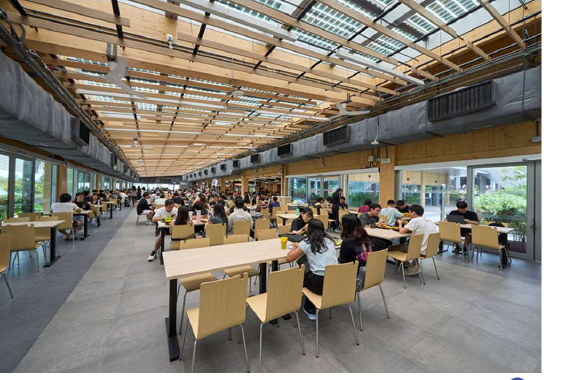
Rethinking Thermal Comfort for People, Buildings and Cities Singapore’s Go 25 movement has already brought an important question into the mainstream: do we really need to cool every indoor space as much as we do today? Rather than repeating the setpoint discussion, the next step is to ask a broader design question – what actually […]
SG Green Issue 23.0 – Sustainable Interiors: Health, Wellbeing & Beyond
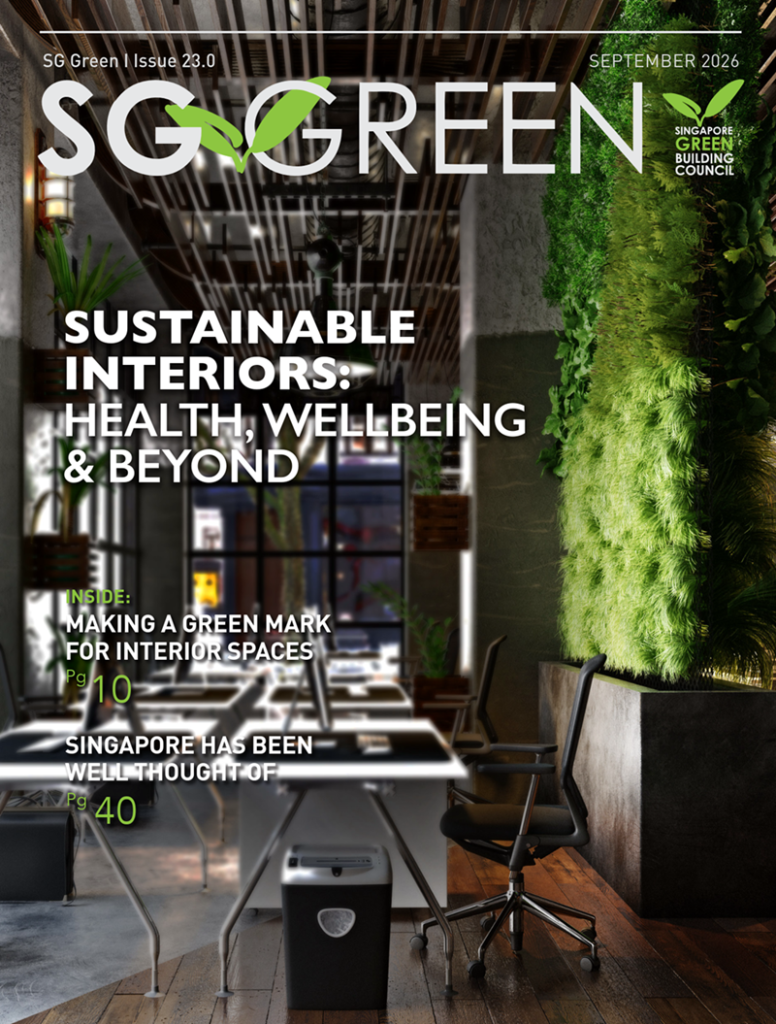
If our parks, streets, and public spaces are designed to support healthier lives, what role should our indoor environments play? This question informs the latest issue of SG Green. Singapore has shown that a dense city can also be a green city. Today, that ambition is evolving: from reducing environmental impact to creating regenerative spaces that […]
Sick Buildings to Smart Sensors: How IAQ evolved over two decades
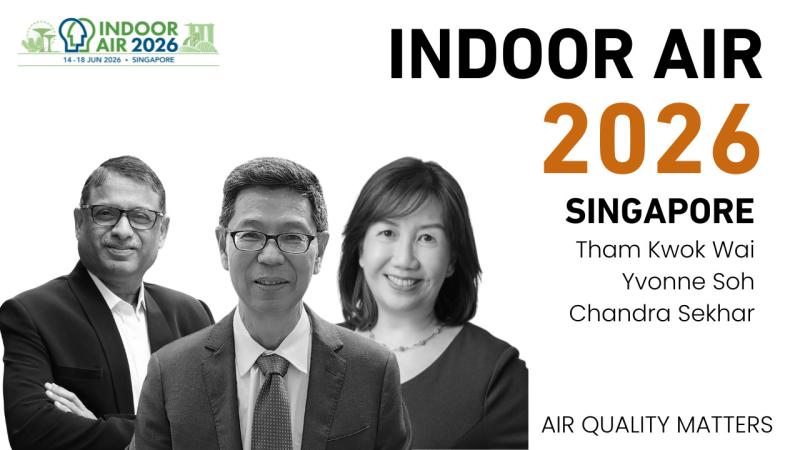
What will the future of healthy buildings look like? On this episode of the Air Quality Matters podcast, hear from the Indoor Air 2026 local organising committee Prof. Tham Kwok Wai (Conference President), Er. Yvonne Soh (Conference Vice-President (Executive)) and Prof. Chandra Sekhar (Conference Vice-President (Technical)) as they share their perspectives on how the indoor […]
Meeting Tomorrow’s Formaldehyde Regulations Today
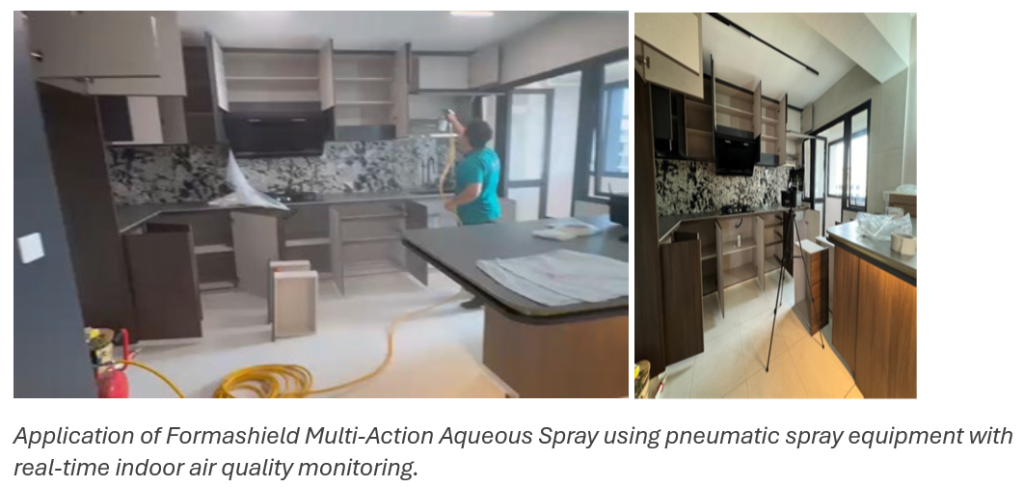
With the National Environment Agency (NEA) prohibiting formaldehyde-containing interior paints from January 2026, and potential restrictions on composite wood products under review, Singapore’s indoor air quality landscape is rapidly evolving. Formaldehyde, classified as carcinogenic by International Agency for Research on Cancer (IARC), remains a persistent post-renovation challenge. Newly renovated homes frequently exceed 0.3 ppm, nearly […]
The Circular Future of Solar Infrastructure
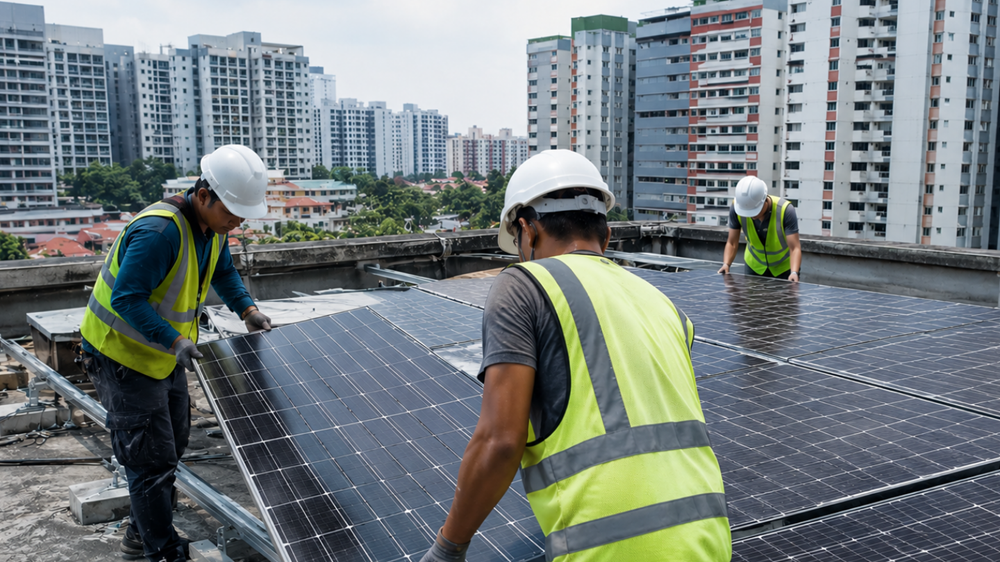
Singapore’s solar fleet has grown rapidly over the past decade, with nationwide installed solar capacity surpassing 2 GWp in 2025 through deployment across public housing, industrial facilities, commercial buildings, and other infrastructure. Government-led initiatives such as the HDB SolarNova have played an important role in accelerating adoption at scale. As these installations mature over the […]
JTC-SGBC Seminar 2026: Circular Strategies for a Future-Ready Built Environment
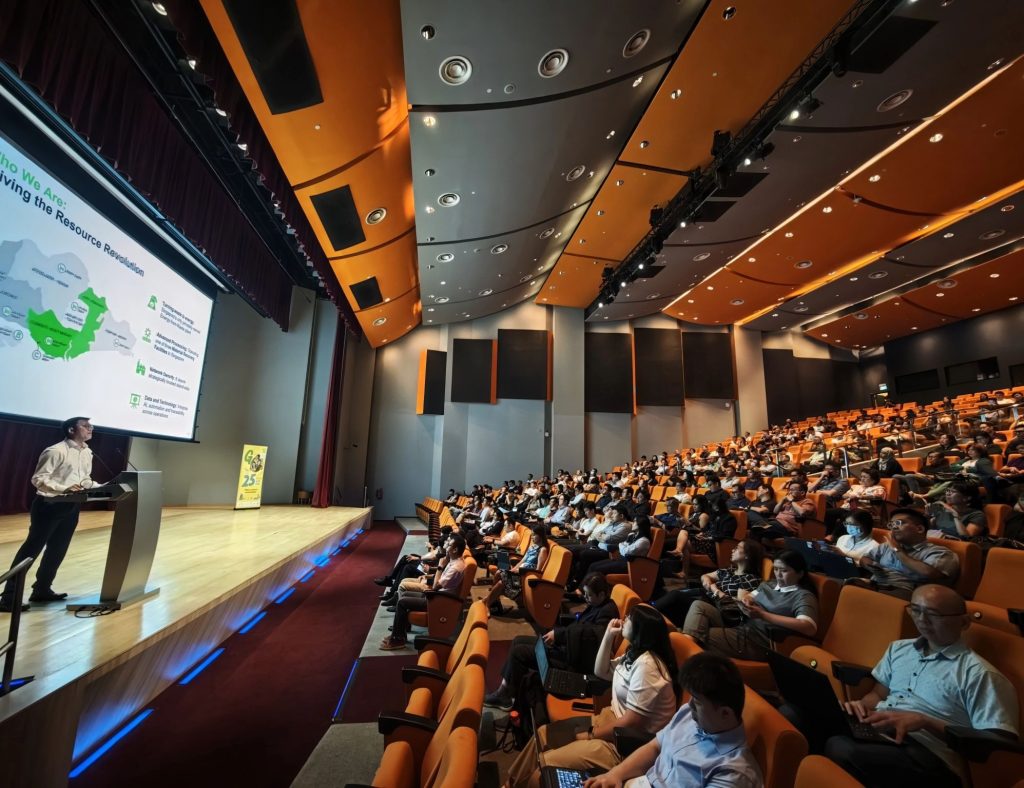
This afternoon, the Singapore Green Building Council and JTC Corporation hosted the 15th edition of the annual joint seminar at the Matrix Auditorium, Biopolis. This milestone session, themed “Circular Strategies for a Future-Ready Built Environment,” brought together industry leaders and researchers to explore how we can move from a linear “take-make-waste” model toward a truly […]
Innovative Energy Solutions for Buildings and Storage Technologies: Germany-Singapore Business Symposium 2026
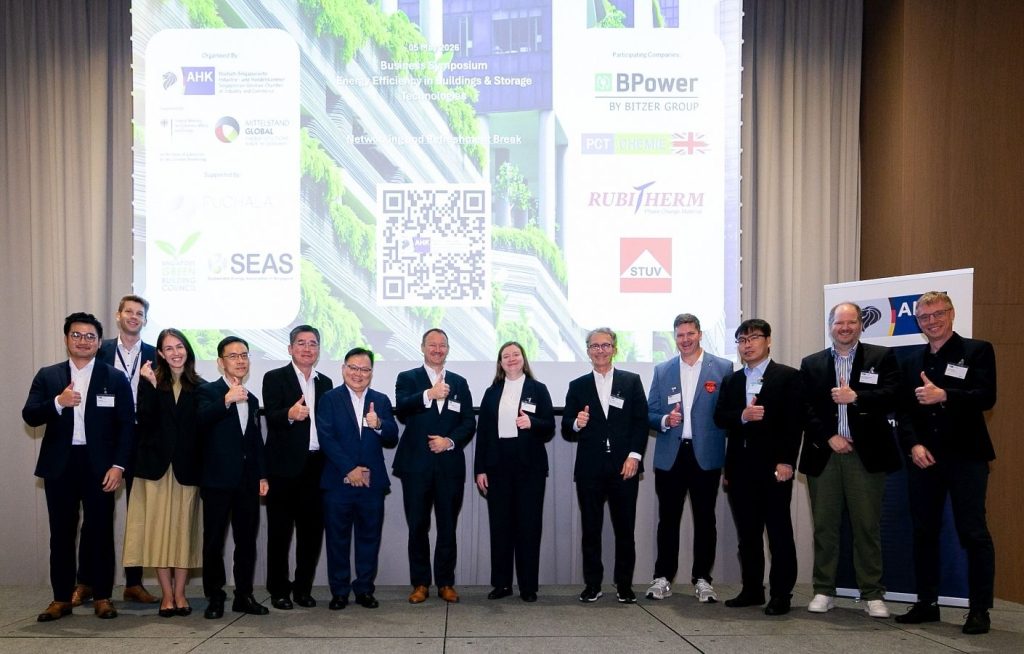
How can Germany and Singapore work together to accelerate the transition toward more sustainable and energy-efficient buildings? On 5 May 2026, the Singapore Green Building Council was pleased to participate in a dynamic exchange hosted by the Singaporean-German Chamber of Industry and Commerce / AHK Singapur. The symposium brought together a diverse group of experts, […]
Turning Battery Waste into Sustainable Concrete
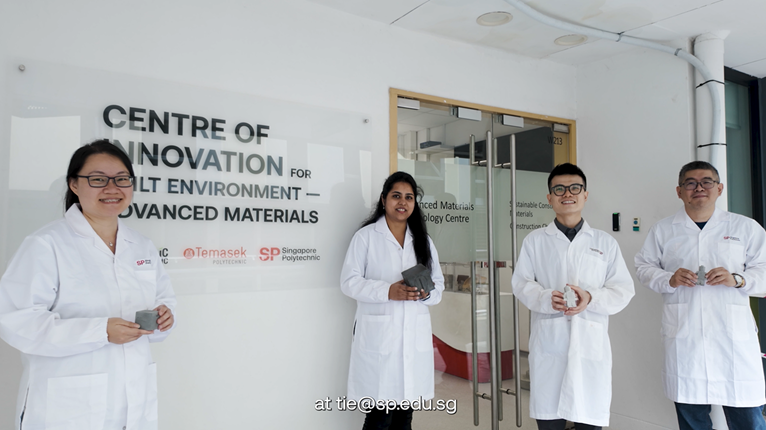
As Singapore accelerates towards its net-zero ambitions, an unexpected solution to two pressing environmental challenges is emerging from the laboratories of the Singapore Polytechnic (SP) Advanced Materials Technology Centre (AMTC). This latest innovation transforms spent graphite from decommissioned electric vehicle (EV) batteries into a valuable component for sustainable concrete production, creating a circular economy solution […]
Navigating Electricity Price Volatility: What Businesses Should Know about Energy Security in Singapore
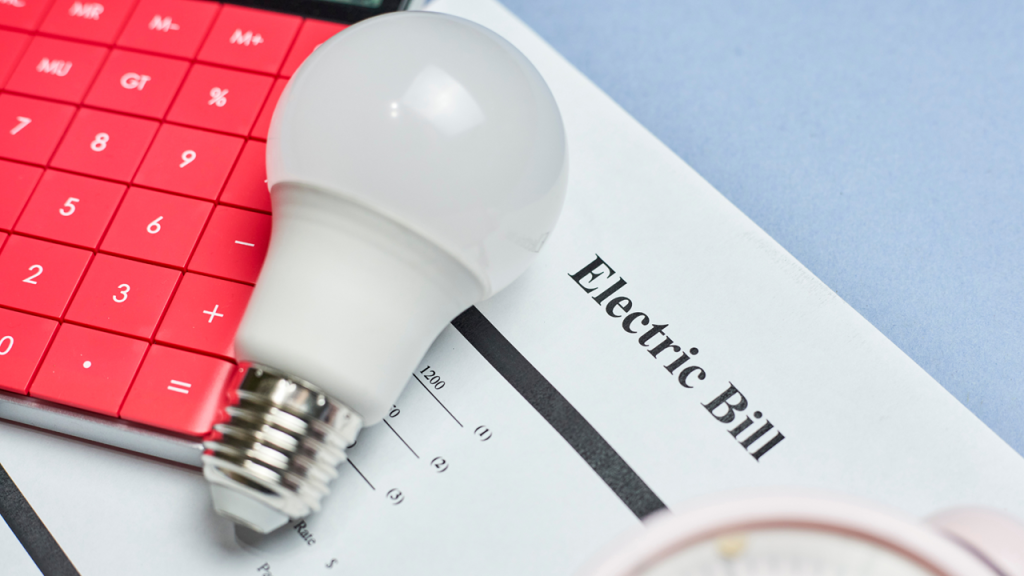
Energy markets worldwide have experienced increased volatility in recent years, driven by movements in global fuel prices, supply chain disruptions, geopolitical developments, and weather-related factors. As a small, open and highly connected economy, Singapore’s energy landscape is acutely sensitive to global shifts. For businesses, particularly those managing commercial buildings and energy intensive facilities, it is […]
How can built environment companies remain competitive in the face of rising electricity costs and increasing corporate demands

Electricity bills for Singapore Small & Medium Enterprises (SMEs) have risen sharply in recent months. Spot tariffs that sat comfortably around $0.25 per kWh not long ago have drifted past $0.30 in the current supply environment, and businesses are now facing a very different market. For a small contractor, a fabrication workshop, or a family-run […]